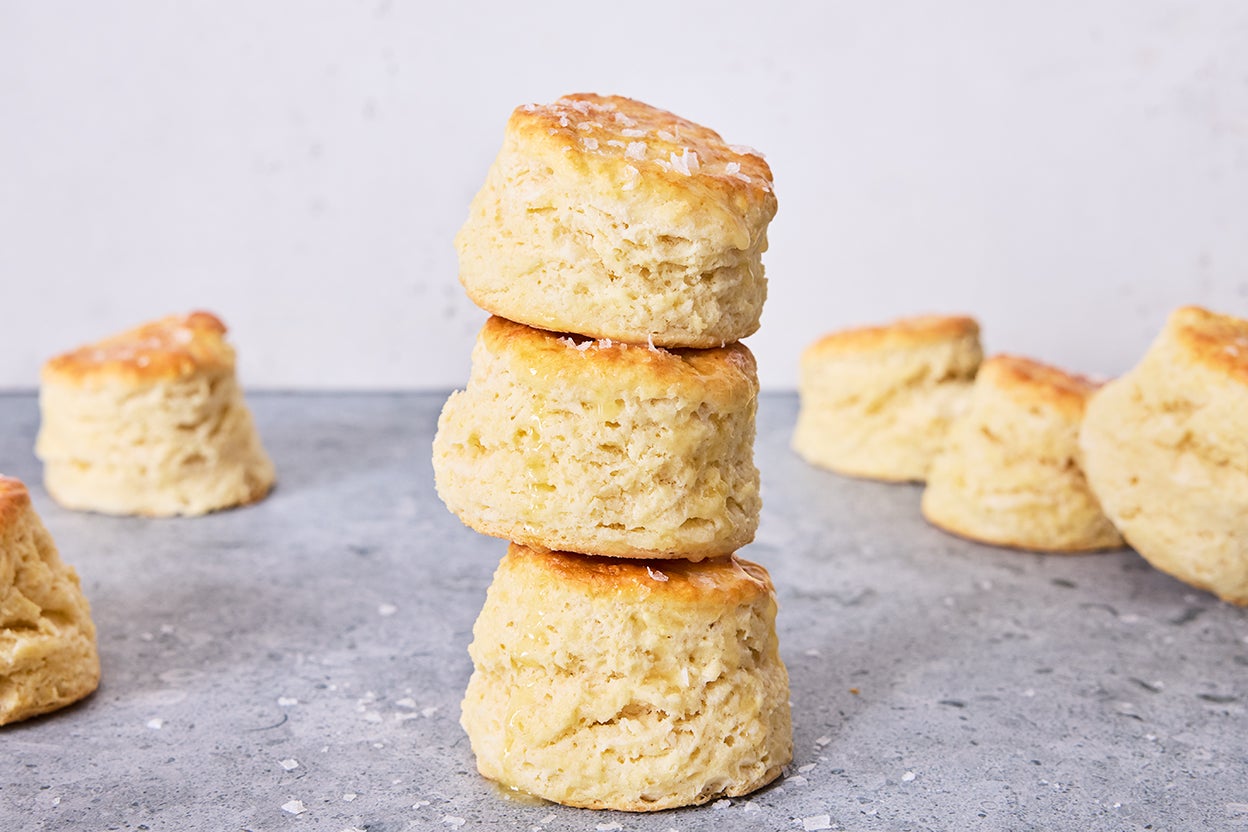
Unlock Perfectly Flaky Biscuits: Your 3-Ingredient Buttermilk Guide
Few things evoke the warmth of home and the comfort of Southern hospitality quite like a batch of freshly baked, perfectly flaky biscuits. Imagine them, hot from the oven, with layers that practically beg to be pulled apart, ready to soak up gravy or melt butter. Many believe such a culinary delight requires an extensive ingredient list and hours in the kitchen. However, we're here to shatter that myth with the ultimate
three ingredient buttermilk biscuit recipe – a testament to simplicity, tradition, and pure deliciousness.
This isn't just any biscuit recipe; it's a time-honored method passed down through generations, making light work of what often seems intimidating. In a world of complex cooking, discovering a recipe that delivers such incredible flavor and texture with just three core ingredients feels like finding a culinary secret. And believe us, once you experience the ease and the unparalleled results, this 3-ingredient buttermilk biscuit recipe will become a cherished staple in your home.
The Magic Behind Your 3-Ingredient Buttermilk Biscuits
The secret to these unbelievably soft, tender, and flaky biscuits lies in the harmonious interplay of just three humble ingredients. Each plays a crucial, distinct role in achieving that signature Southern charm.
1. Self-Rising Flour: The Foundation of Fluffiness
The backbone of this simple biscuit recipe is
self-rising flour. Unlike all-purpose flour, self-rising flour already contains a precise blend of leavening agents (baking powder) and salt. This pre-mixed convenience is what allows you to bypass several steps, dramatically simplifying the process. For optimal results, many seasoned bakers prefer a soft winter wheat self-rising flour, known for its lower protein content, which contributes to a more tender crumb. The leavening agents react with the buttermilk's acidity during mixing and baking, creating carbon dioxide bubbles that expand, making your biscuits rise beautifully and become wonderfully fluffy.
Pro Tip for Substitutions: Don't have self-rising flour on hand? No problem! You can easily create your own substitute. For every cup of all-purpose flour, whisk in 1 ½ teaspoons of baking powder and ¼ teaspoon of fine salt. This quick hack ensures you're never far from biscuit bliss.
2. Cold Fat: The Architect of Flaky Layers
This is where the magic of flakiness truly begins. Whether you choose solid vegetable shortening (like Crisco), unsalted butter, or even savory bacon fat, the key is that it must be
cold. Why cold? When tiny pieces of cold fat are incorporated into the dough, they melt slowly in the hot oven, releasing steam. This steam creates air pockets between the layers of dough, resulting in that coveted, delicate flakiness. Using cold fat also prevents it from fully blending with the flour, ensuring distinct pockets for steam creation.
*
Shortening: Often lauded for producing incredibly tender and tall biscuits. It has a higher melting point than butter, which can contribute to greater lift.
*
Butter: Adds a rich, creamy flavor that many find irresistible. Grating frozen butter is an excellent technique to ensure small, evenly distributed pieces without overworking the dough.
*
Bacon Fat: For a uniquely Southern, deeply savory flavor profile, bacon fat is an amazing (and traditional) choice that adds incredible depth.
3. Cold Buttermilk: The Tenderizer and Flavor Enhancer
The third indispensable ingredient is
cold buttermilk. Buttermilk plays a dual role: its acidity reacts with the leavening in the self-rising flour, boosting the rise and creating a light, airy texture. Furthermore, the lactic acid in buttermilk tenderizes the gluten in the flour, yielding exceptionally soft biscuits. Beyond its functional properties, buttermilk also imparts a subtle tang and richness that elevates the overall flavor profile, distinguishing these biscuits from those made with regular milk.
Pro Tip for Substitutions: If you don't have buttermilk readily available, you can easily make a homemade version. Simply add 1 tablespoon of fresh lemon juice or white vinegar to a liquid measuring cup, then fill the rest of the way with regular milk (dairy or non-dairy) until you reach 1 cup. Stir gently and let it sit for 5-10 minutes until it slightly curdles. Just remember to chill it thoroughly before adding to your dough!
Mastering the Art: Step-by-Step for Flaky Perfection
Creating these amazing biscuits isn't just about the ingredients; it's also about a few simple techniques that ensure perfect results every time. Our
effortless fluffy biscuits: your 3-ingredient buttermilk recipe guide highlights the simplicity, but here we’ll delve a little deeper into the ‘how’.
1.
Combine Flour and Fat: In a large bowl, add your self-rising flour. Cut in the cold fat (whether it's grated butter, cubed shortening, or chilled bacon fat) using a pastry blender, two knives, or even your fingertips. Work quickly to prevent the fat from warming up. The goal is a mixture that resembles coarse meal with some pea-sized pieces of fat remaining. These small pockets are crucial for flakiness.
2.
Add Buttermilk: Make a well in the center of the flour mixture and pour in the cold buttermilk. Stir gently with a fork or your hands until just combined. The dough will look shaggy and a little dry in places – this is exactly what you want! Avoid overmixing, as this develops gluten, leading to tough biscuits.
3.
Gentle Folding and Shaping: Turn the shaggy dough out onto a lightly floured surface. Gently press the dough together, then fold it over on itself 3-4 times. This minimal kneading and folding creates more layers without overworking the dough. Pat the dough into a thick rectangle, about ¾ to 1 inch thick.
4.
Cutting the Biscuits: Using a sharp biscuit cutter (or even an inverted glass), press straight down into the dough.
Do not twist the cutter! Twisting seals the edges of the biscuit, preventing them from rising properly. For the remaining scraps, gently press them together and cut out more biscuits.
5.
Baking to Golden Perfection: Place the cut biscuits onto an ungreased baking sheet, allowing them to touch slightly if you prefer softer sides, or spaced apart for crispier edges. Bake in a preheated oven (usually 425-450°F / 220-230°C) for 12-18 minutes, or until golden brown on top and bottom. The high heat ensures a quick, dramatic rise.
Serving Suggestions & Customization Ideas
The beauty of a classic
three ingredient buttermilk biscuit recipe lies in its versatility. These Southern beauties are perfect for any meal, any time of day.
*
Breakfast & Brunch: Serve them hot with crispy bacon, scrambled eggs, and a dollop of peach preserves. They're also incredible with sausage gravy for a hearty Southern classic.
*
Lunch & Dinner: Biscuits make an excellent side for fried chicken, pork chops, country fried steak, or even salmon patties. Use them as a base for mini sandwiches with slices of ham or thinly shaved roast beef.
*
Sweet Treats: Split them open and drizzle with honey, maple syrup, or your favorite fruit compote. A simple brush of melted butter and a sprinkle of sugar before baking can also transform them into a sweet indulgence.
For those seeking that true Southern touch, our guide to
authentic Southern 3-ingredient buttermilk biscuits made easy offers even more insights into traditional pairings.
Customization Fun:
Don't be afraid to get creative!
*
Cheesy Biscuits: Fold in ½ cup of shredded sharp cheddar or Parmesan cheese with the flour.
*
Herby Biscuits: Add a tablespoon of fresh chopped chives, rosemary, or thyme for an aromatic twist.
*
Garlic Biscuits: Mix in a teaspoon of garlic powder or a tablespoon of roasted garlic paste.
*
Sweet Biscuits: A pinch of cinnamon or nutmeg can add a warm, inviting note.
Troubleshooting Common Biscuit Blunders
Even with a simple
three ingredient buttermilk biscuit recipe, sometimes things don't go exactly as planned. Here are some common issues and how to fix them:
*
Tough Biscuits: The most common culprit is overworking the dough. Too much kneading develops gluten, making biscuits dense and chewy. Remember to handle the dough minimally – just enough to bring it together.
*
Flat Biscuits: This can happen if your leavening agents (in the self-rising flour) are old or if your ingredients weren't cold enough. Ensure your flour is fresh and your fat and buttermilk are chilled. Twisting the biscuit cutter can also seal the edges, preventing rise.
*
Dry or Crumbly Biscuits: This usually indicates insufficient liquid or fat. Ensure your measurements are accurate, and if your dough still feels too dry, you can add a tiny bit more buttermilk (a tablespoon at a time) until it just comes together.
*
Biscuits Not Flaky: The fat wasn't cold enough, or it was overmixed into the flour, causing it to melt and combine too much. Keep your ingredients cold and work quickly!
Embrace these tips, and you'll be well on your way to biscuit perfection every time.
In conclusion, the journey to perfectly flaky, tender biscuits doesn't have to be complicated. With a carefully chosen
three ingredient buttermilk biscuit recipe and a few tried-and-true techniques, you can conjure up these iconic Southern delights with remarkable ease. From the first satisfying aroma filling your kitchen to that first melt-in-your-mouth bite, these homemade biscuits promise comfort, tradition, and an irresistible taste that will keep you coming back for more. So, gather your ingredients, follow these simple steps, and prepare to unlock the secret to truly unforgettable biscuits.